













In this article, I’m going to teach you how to use alprazolam for opiate withdrawal. Opiate withdrawal wouldn’t be all that bad if you only experienced the physical symptoms. Unfortunately, the anxiety, psychological terror, and insomnia can make withdrawal a living hell. Several years ago I was addicted to opiates. Every few weeks or months I would not be able to get any more opiates. Sometimes my dealer was out, but usually, it was because I was out of money.
Whenever this happened, I knew that I had about twelve hours after my last dose before the opiate withdrawal symptoms would start coming on. During this time, I would text everyone I knew to see if I could score some alprazolam for opiate withdrawal symptoms. Actually, I didn’t even care if it was alprazolam. Other drugs in the same class would be fine too.
These medications are in a class of drugs called benzodiazepines. Commonly referred to as “benzos,” these pills are very effective at reducing anxiety and easing nervous tension. They also relax muscles and help you fall and stay asleep.

Alprazolam for Opiate Withdrawal
Alprazolam (sold under the brand name Xanax among others, is an anxiolytic (anti-anxiety) medication. Alprazolam is commonly prescribed for anxiety and panic disorder, though many opiate abusers have used alprazolam for opiate withdrawal. Alprazolam is a short-acting benzo, so the effects come on hard and fast. The downside of this is that the effects also go away quickly, requiring you to take it more often during opiate withdrawal. Klonopin is the benzo with the longest duration, though the effects come on more slowly than alprazolam. Valium falls in the middle of these two.
Using alprazolam for opiate withdrawal has become popular due to its remarkable ability at treating the following symptoms:
- Anxiety
- Restless Leg Syndrome (RLS)
- Muscle tension and soreness
- Psychological terror
- Insomnia
- Poor appetite
When determining whether or not you should use alprazolam for opiate withdrawal, please consider the following key points:
- Everyone is biochemically unique; so while alprazolam worked well for me and countless others, it won’t help everyone ease their symptoms.
- Many individuals say alprazolam helps them calm anxiety and fall asleep, though a small minority complain that it makes them too much like a zombie.
- Alprazolam and other benzos can be habit-forming.
- Taking too much alprazolam can lead to an overdose.
How To Use Alprazolam for Opiate Withdrawal
Taking alprazolam for opiate withdrawal can be a lifesaver if done properly.
The following key points illustrate a very safe way to use alprazolam for opiate withdrawal symptoms relief:
- Always take alprazolam under the supervision of a physician.
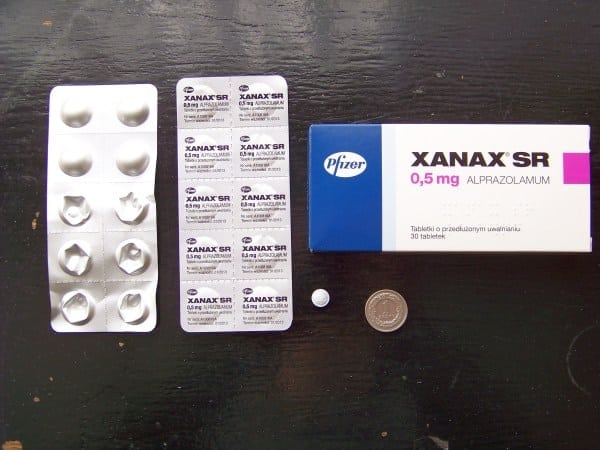
- alprazolam comes in tablets that are circular which are 0.25 mg or 0.5 mg, football-shaped tablets that are 1.0 mg, and rectangular bars that are 2.0 mg.
- Due to differences in severity of addiction and biochemical uniqueness, there is no set alprazolam for opiate withdrawal dosage.
- Take the least amount of alprazolam necessary to achieve opiate withdrawal symptoms relief.
- Discontinue alprazolam after 3-4 days; the worst of the withdrawals should be over by day 5, and this way you won’t develop a physical dependence on alprazolam.
- Most individuals will benefit from as little as 0.5 mg per dose, though some will need up to 2.0 mg, especially at night before bed.
What if you Can’t Get Alprazolam for Opiate Withdrawal?
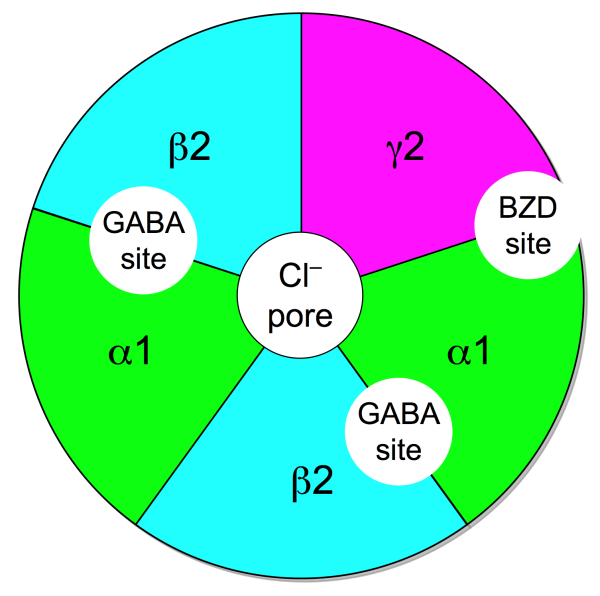
If you’re going through opiate withdrawal right now and can’t get alprazolam from a doctor or drug dealer, I feel your pain. Fortunately, there are two herbs that work in very similar ways to alprazolam. Alprazolam benefits for opiate withdrawal are due to it binding to GABAA receptors in the brain. GABA is an inhibitory neurotransmitter that acts as a mental relaxant. GABA is basically our natural alprazolam, though our bodies produce it in the precise amounts we were designed to handle.
Valerian root and passion flower are herbs that activate your GABA receptors like alprazolam does. They both have been shown to naturally reduce anxiety and insomnia. In one study, 75 participants with nonorganic insomnia were put into two different groups. One group received 600 mg of standardized valerian extract, while the other group received 10 mg of oxazepam (a benzodiazepine medication) for 28 days. Assessment tools used to evaluate the effectiveness and tolerance of the interventions included validated sleep, mood scale, and anxiety questionnaires as well as sleep rating by a physician.
Results: Both groups had the same improvement in sleep quality but the valerian group reported fewer side effects than did the oxazepam group.
I used valerian root and passion flower many times for opiate withdrawal anxiety and insomnia. Passion flower is also very beneficial for relieving gastrointestinal upset due to narcotic drug withdrawal. These two herbs are not as strong as alprazolam for opiate withdrawal, but they still work very well, especially when combined with other herbs, vitamins, minerals, and amino acids used in the treatment of withdrawal.
If you can’t get alprazolam for opiate withdrawal, I HIGHLY RECOMMEND taking passion flower and valerian root as a natural and safe alternative. These will help with anxiety, insomnia, and muscle relaxation, but they will not treat other symptoms. They do nothing for fatigue, hot and cold flashes, diarrhea or sweating. Furthermore, they don’t help replenish your brain with dopamine. I always encourage people going through opiate withdrawal to take a formula specifically designed to treat all of these symptoms in a holistic and synergistic way.
This Opiate Withdrawal Formula is a product that contains valerian root and passion flower, among other beneficial nutrients for easing symptoms.
If you can afford it, I also highly recommend taking this awesome supplement, because the benefits are just too good to pass up.
Click here now to view my best home detox program.
If you have any questions on using alprazolam for opiate withdrawal, please post them in the comment box below.

I have been doing more research with your articles and YouTube videos, the withdrawal came on so hard and fast. I started vomiting and my brain lit up like fourth of July and panic set in. I decided to take 2-,5 mg of alprazolam. I am feeling a little stoned but can comprehend. I am feeling less anxious. I have underlying COPD and lung cancer and I am fearful of respiratory complications. Right now I want to lay down but I’m not sure that is a good idea. I am ashamed of myself for getting hooked on oxycodone. But I have lived in chronic all-over body, spine and joint pain for more than 20 years and have had cancer 3x. That pain is unbearable most times. So, I guess I am looking for some guidance from you on the time line of when to try Gapepentin. Yes, It is a Rx Please help be, I am so confused.
Hey there, I’ve got my certification in the field of pharmacology, pharmacokinetics, pharmacodynamics, as well as a former RpH manager at a few different Fred’s pharmacies prior to their unfortunate demise around a decade ago. Fortunately, I’ve been able to make an account on Quora where I am able to get questions, (sometimes very detrimental to the patient’s mental and overall wellbeing) mostly about my take on their current situation as I’m well versed in the field of pharmaceutical research, and, unfortunately understand what exactly is happening in the current world of governmental regulations that are already overly suffocating and biased, causing harm, (both intentional and unintentional) and the spread of all sorts of misinformation and offering very, very little, (if any) informative and useful information, bused clinical trials, research studies, randomized controlled trials and post marketing trial data and the long (actual) long term benefits from transitioning a patient from, say myself who is not only an advocate for the use of the benzodiazepine class and the decades of research and clinical data that has been published and are a valuable resource in a wide range of medical conditions and practices, (i.e. proven to help cardiovascular, neurological, gastrointestinal and dermatological conditions and illnesses, alongside the benefits of a long term treatment protocol that can help reduce, treat, prevent or even eliminate chronic, debilitating conditions, be it generalized anxiety disorder or even reduce the risk of certain types of cancers. So I do find this article to be a very informative article that I wish more modern day physicians would adhere to and stop being mandated into this asinine thought process that these drugs are toxic and harmful. While I admit that, (as with ALL medications and supplements) benzodiazepines have both their pros and cons, that said in relation to the aspect of overdosing on a benzodiazepine is almost entirely nonexistent as it would take 1,000 times more than the FDA recommended maximum daily dosage for even a chance of overdosing, but being paired with an opioid analgesic or other central nervous system depressants can be a very different experience entirely and should be treated with caution. As a treatment resistant and drug resistant patient myself who is has been prescribed Alprazolam (Xanax) 2mg 4x daily (10mg daily dose) and Dextroamphetamine/amphetamine quad salts (Adderall ir) 30mg bid (60mg daily dose) for two decades now and my decision to stop taking the buprenorphine hcl (Subutex or Suboxone, Zubsolv, etc.) after realizing the long term adverse effects it accompanies, (marketing ploy by the FDA, pharmaceutical industry and the physicians themselves who are given an “incentive to continue the patient, no matter what” is abhorrent to me and after taking a total of 8mg 3x daily of buprenorphine, I decided enough was enough, yet I was soon to realize just how much worse or almost completely impossible to stop, compared with other full mu opioid agonists, and even taking the 10mg daily alprazolam is still extremely difficult to manage, but without access to this very crucial drug, it’s like living in hell every single second of every single minute of every single day. The industry needs to be better educated about the use of buprenorphine products, or other mat drugs (ie methadone) as for the use of detoxification only. Being in the healthcare and pharmaceutical industries my entire career has made me realize that I would rather die in my home than take myself to an emergency department, because the harsh reality is that the pharmaceutical and healthcare industries are NOT the same as, say a decade ago. Ethics is not in the vocabulary in the modern day practice of medicine, with the exception of very, very few exceptional physicians who are not scared or intimidated by their own unique prescribing and treatment practices, which is becoming increasingly less common due to their “overprescribing” practices that automatically make them a “pill mill”
Then the so called “opioid crisis” and now the convenient “drug shortage” that has caused a massive spike in deaths due to cross contamination, little to no API (active pharmaceutical ingredients) in certain medications by drug manufacturers, (primarily controlled substances) and the complete lack of transparency and what their true intentions are (which is a topic that I won’t discuss here) but I will say suicide, overdose and overall mortality rates have risen exponentially over the last few years alone. Overseas manufacturing shipments of subpar manufactured pharmaceuticals, the new “fast track initiative” that the government has approved is literally destroying patients at an alarming rate. Unprecedented even. I’ve been studying for decades and have dug deep, more than I would’ve liked if knowing what I would uncover. It’s grotesque and one final statement, generic medications are not just the difference in the excipients (inactive ingredients) of a drug nor is the 20% difference in the amount of a substance in generic drugs our problem, it goes much, much deeper and more sinister than you could ever imagine.
hey matt! its Justin Lloyd here! been off opiates for 3 months now altho im still stuck on suboxone wich is becoming a headache in its own rite lol. here in canada u have to goto the pharmacy every single day and take the does in front of the pharmacist its kinda lame but thats not the biggest problem…like any other drug money is becoming an issue, ive dropped down to 8 mg/day from 16mg/day and its still costing $20 bucks a day every day without insurance lol. im going to have to face withdrawaling off of this eventually and maybe sooner rather than later. although i havent used any of the drugs/herbs u recommend for withdrawal i often read all ur material just in case! i am part of a couple of suboxone/opiate withdrawal groups on facebook and i couldnt recomend you more! u help alot of people and for that u have my thanks!!!
take the dose*…cant type lol