













In this article, you’re going to learn about something I like to call “Pro-Recovery Habits” or “Anti-Addiction Habits” or “Anti-Relapse Habits.”
Around 95% of the people that get off opioids relapse.
Why?
Often times it’s due to the person’s brain being severely deficient in neurotransmitters such as dopamine, serotonin, GABA, and endorphins.
These neurotransmitters are very important for mood and behavior, and deficiencies can cause serious mental dis-ease like anxiety, depression, confusion, ADD, panic attacks, or to a lesser extent, just not feeling “quite right.”
Another common reason people relapse is STRESS.
There is a “Chronic Stress Epidemic” going on in the United States right now, and as a nation, we are more stressed out than ever before.
Of course, there are plenty of other triggers that activate a person’s obsession to start taking opioids again.
But “triggers” is a topic for another article.
For this piece, we’re going to focus on using Pro-Recovery Habits as a means to prevent relapse and feel happy, relaxed, energized, and motivated without opioids.

Pro-Recovery Habits Overview
Habits are hard-wired in our brains as a result of doing something on a regular basis. Brushing your teeth is a habit. Getting dressed in the morning is a habit. And pulling into the Starbucks drive-through every morning on the way to work is a habit.
There are good habits, bad habits, and neutral habits.
Pro-Recovery Habits are any habits that help a person avoid relapse and cravings, and enjoy their new life without opioids.
At the bare minimum, I tell my coaching clients about the importance of using what I call the “Key 3.”
The Key 3 are:
- Nutrition
- Supplementation
- Exercise
Let’s dive deeper into the Key 3 so you can see just how valuable they are…
Nutrition
Nutrition is by far the hardest of these habits to stick with for most people. It’s pretty easy to exercise, and it’s even easier to take supplements, but changing our diet can pose a much greater challenge.
However, if you do eat a healthy Pro-Recovery Diet, it will absolutely change your life.
You’ll have more energy, mental clarity, positive emotions, and more.
Everyone is biochemically unique, so there is no perfect diet that works for all 7 billion people on the planet.
However, there are certain Pro-Recovery Diet guidelines that one should implement for increased health and wellness.
The Pro-Recovery Diet guidelines are:
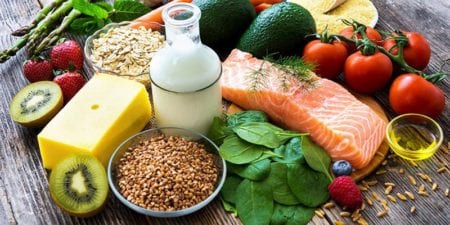
- Focus on organic whole foods.
- Consume at least 20-30 grams of protein 2-3 times per day to produce an abundance of mood-enhancing neurotransmitters in the brain.
- Go BIG on eating fresh veggies and fruit.
- Make sure to consume plenty of healthy fats.
- Drink plenty of water (at least half of your body weight (lbs.) in ounces per day).
- Choose free-range meats, pastured eggs, and wild-caught fish whenever possible.
- Sip on beverages (don’t chug).
- Wait at least 30 minutes after eating to consume beverages (liquid with meals dilutes digestive juices).
- Don’t drink ice cold beverages (this slows digestion).
- Reduce or eliminate sugar, processed foods, refined carbohydrates, nicotine, caffeine, and alcohol.
- Don’t chew your food too fast (most of the nutrition from food is not absorbed if you don’t chew well).
Supplementation
Again, every person is biochemically unique so there is not one perfect supplement protocol that will work well for every person that gets off opioids and wants to feel their best.
However, there are certain supplements that work best for the most amount of people.
Here are some extremely effective Pro-Recovery Supplements that I recommend often:
1. DL-Phenylalanine (DLPA) – DLPA is a supplement that contains both the D- and L- forms of the amino acid phenylalanine. The L- form comes from protein-rich foods and increases dopamine and norepinephrine. The D- form is made synthetically in laboratories and causes an increase in endorphins, which are your natural painkillers.
I refer to DLPA as an essential “Anti-Craving Supplement.”
It can also help with depression, anxiety, and fatigue. Furthermore, it’s the most important supplement to take for the next few months after getting off opioids because of its ability to increase dopamine and endorphins which really help your brain feel amazing fast.

2. L-Tyrosine – Another amino acid supplement, L-Tyrosine is very similar to DLPA. It helps your body produce dopamine, norepinephrine, and epinephrine, so it’s extremely beneficial for depression, fatigue, and anxiety.
3. Mucuna Pruriens – A tropical legume that is native to Africa and Asia. It contains levodopa (L-dopa), which converts to the chemical dopamine in the brain.
Dopamine is a neurotransmitter that promotes enjoyment and interest in life. It also increases mental focus and feelings of pleasure. Addiction destroys the pleasure/reward center in the brain.
4. Passionflower – An excellent natural sedative that promotes calmness and relaxation. Passionflower works by increasing levels of a chemical called gamma-aminobutyric acid (GABA) in the brain. GABA is your brain’s natural Valium.

5. Ginseng – The name ginseng refers to any of 11 different species of slow-growing perennial plants with fleshy roots. This powerful opiate withdrawal vitamin is useful for treating fatigue and acts as a natural stimulant and balances all body systems that are out of balance. This is due to its adaptogenic properties.
Adaptogens are a class of plants/herbs that, when administered, resulting in stabilization of physiological functions and facilitation of homeostasis.
6. GABA – A chemical made in the brain which also comes in supplement form. It can help relieve anxiety, improve mood, relieve pain, and promote sleep.
7. Melatonin – A hormone made by the pineal gland in the brain, which helps regulate sleep and wake cycles. Your body has it’s own natural clock and controls how much melatonin is produced.
Typically, melatonin levels start rising in the evening, stay high during the night, then decrease sometime in the early morning. To get whole food sources of melatonin, try eating the two highest food sources of melatonin: cherries and walnuts.

8. L-Theanine – An amino acid abundant in green tea which has been shown to have a direct influence on brain activity, such as reducing stress. It has the ability to relax the mind without causing drowsiness.
9. 5-HTP (5-hydroxytryptophan)– A precursor to serotonin, a neurotransmitter that helps you feel emotionally relaxed. It is also the precursor for melatonin, the hormone involved in sleep patterns of the human body. It can improve mood, instill feelings of relaxation and calmness, and help you sleep.

Exercise
Exercise is such an epic Pro-Recovery Habit. When you exercise, your body produces a cocktail of “Neuro-Bliss” chemicals such as serotonin, dopamine, norepinephrine, GABA, oxytocin, and Brain-Derived Neurotrophic Factor (BDNF).
When a person has been using opioids habitually for even as short as a month but especially longer, drastic changes in brain chemistry occur.
Once an opioid-dependent individual detoxes from long-term opioid daily use, their damaged and ill-functioning brain chemistry can take several months to even a year or longer to heal itself without the aid of exercise, nutrition, and supplementation.
That’s why I recommend you get addicted to exercise.
Doing so will enable you to significantly increase your Neuro-Bliss chemicals, and thus greatly speed up the process of healing the addicted brain.
Types of Exercise
There are many different types of exercise to choose from. The trick is to find something you enjoy, that way you’re more likely to stick with it.
If at first, you have trouble getting motivated, listen to some upbeat music while you’re working out, as this has been shown to boost performance and enjoyment. Also, exercising outdoors produces more endorphins than doing so indoors.
Some popular forms of exercise are:
- Swimming
- Speed-walking
- Weight-training
- Cardio on elliptical machines
- Yoga
- Basketball
- Surfing
- Gardening
- Running
Exercise Guidelines
- Exercise at least 3-4 times per week; more if needed.
- Focus on types of exercise you enjoy.
- Get a workout buddy or hire a personal trainer if you can afford it.
- Don’t overdo it. Working out too much causes stress on the body and mind.
- Support muscle recovery by consuming a meal or beverage with protein, carbs, and fat within 60 minutes of exercising.
- Make regular exercise and fitness a part of your identity, as this is a long-term Pro-Recovery habit that can significantly increase the quality of your life.

More Pro-Recovery Habits…
Now that you’ve learned about the “Key 3” Pro-Recovery Habits, it’s time to discuss some additional habits that can help you avoid relapse, reduce stress, and really enjoy your life.
Here are some of my favorite Pro-Recovery Habits:
- Journaling
- Reading
- Spending time in nature
- Hanging out with loved ones
- Laughing my butt off watching stand-up comedy
- Setting goals
- Camping with positive people
- Morning practice of meditation and qigong
- Learning
- Watching interesting documentaries
- Getting a weekly deep tissue massage
- Taking night walks under the moon
Now that you have some examples of Pro-Recovery Habits, you can choose some from this list and/or come up with some of your own!
Final Thoughts…
Replacing bad habits with good habits is an essential strategy for living a great life. And fostering an abundance of Pro-Recovery Habits can enable you to leave opioids in the past…
Where they belong!!!
Our quality of life is largely determined by the quality of our habits.
Habits are hard to break.
However, they’re hard to break even if they’re good habits.
After the initial hard part of developing Pro-Recovery Habits, it becomes easier and easier to stick with it, as your brain becomes hardwired to do the habit without much conscious thought or willpower.

Leave a Reply