







• Skip to primary navigation
  • Skip to main content
  • Skip to primary sidebar
Opiate Addiction Support

Opiate Addiction Support

Holistic Strategies for Ending Opiate Dependence

  • START HERE
  • FOR PHYSICIANS →
  • COURSE
  • GUIDES
  • PODCAST
  • SUPPLEMENTS
    • Elimidrol® (Comfort Support)
    • SomaDerm® (Hormonal Support)
    • SomaNight® (Sleep Support)
    • NeuraVie® (Mood Support)
  • ABOUT
    • Founder Story
    • Contact
  • [ WORK WITH MATT ]
    • Book a Discovery Call
  • Show Search
Hide Search
Home/Opiate Addiction/10 Prominent Treatment Options For Prescription Drug Addiction

10 Prominent Treatment Options For Prescription Drug Addiction

RSS
Follow by Email
Facebook
Facebook
Google+
Google+
Twitter
Visit Us
YouTube
YouTube
LinkedIn
LINKEDIN
Instagram

prescription drug addiction

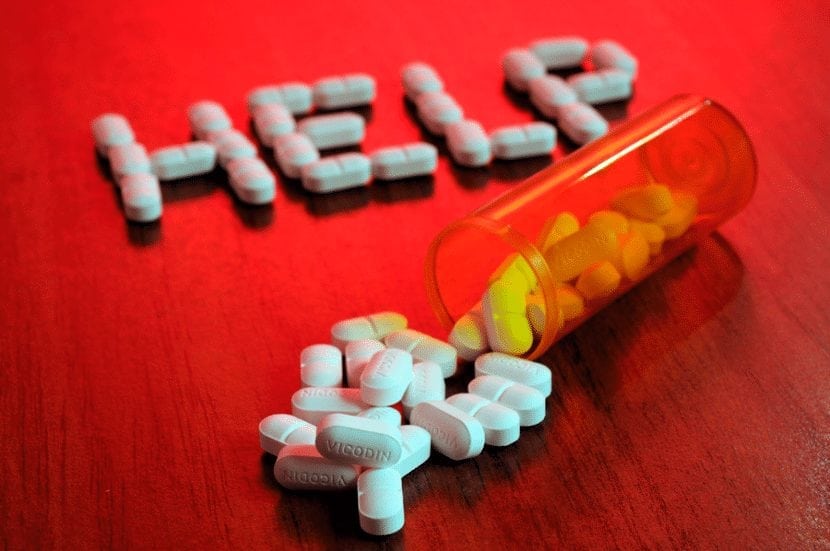
Health is the most vital treasure a man has. Unfortunately, we sometimes neglect even the most visible means of its treatment. In a case of sickness, we apply to medical care, but not all of us are aware that drug abuse may lead to harmful consequences that impair our health. In order to avoid prescription drug misuse or even counteract the symptoms of drug addiction, firstly, we have to clarify what prescription drugs are.

Table of Contents

  • 1 What are prescription drugs?
  • 2 What is prescription drug addiction?
  • 3 What prescription drugs can cause abuse?
  • 4 Symptoms of abusing drugs
  • 5 Treatment for Drug Addiction

What are prescription drugs?

Prescription drugs are pharmaceutical drugs that require a doctor’s prescription. A prescription drug is effective in health care and is usually used to reduce tension or anxiety, in treating pain, or sleep disorders. But accidental overdoses or continuous using of prescription medication can cause prescription drug addiction.

What is prescription drug addiction?

Pharmaceutical drugs are aimed to treat diseases, but some of them are addictive if they are used in a wrong way. People who tend to take prescription drugs more than prescribed or take it for nonmedical reasons are burden with health problems that cause drug abuse. The consequences of it are more or less the same than alcoholism.

What prescription drugs can cause abuse?

Prescription medication varies depending on diseases it is aimed to treat. Commonly abused prescription medicine includes opioids, known as painkillers, central nervous system depressants, intended to cure anxiety and sleep disorders, and stimulants, prescribed for treating attention deficit hyperactivity disorder and narcolepsy.

Symptoms of abusing drugs

You may find yourself addicted to drugs if you take it in overdoses. For example, if you need to take medicine twice a day, but you do it more often, or instead of 3 pills you take 5 or more ones. Also, you are abused to prescription medicine if you take it for nonmedical reasons or if you take the same medication for reasons other than prescribed.

Treatment for Drug Addiction

Research shows there are 10 prominent treatment options for prescription drug addiction.

1. Individual counseling

Specialists’ assistance is always more efficient. A licensed drug counselor can provide individual counseling helping you prevent recurrence of drug problems and provide you with information needed to know in case of relapse.

2. Group counseling

Sometimes it is essential to realize that you are not alone with your problem. The ongoing feeling of discomfort and also psychological disorders complicate the process of rehabilitation. That is why being surrounded by people with the same problems, the addicted person tends not to feel ashamed of such behavior and come into a phase of detox (detoxication) less hard than those who try to do it by themselves.

3. Family counseling

Sometimes individual counseling is not enough in drug abuse therapy. Going to loving family members should be aware of what is happening with a drug abused person and how they can support him in his recovery.

4. Taper the drug dosage

This is the first and the most important step in treating drug misuse. Firstly, you have to come back to the dosage prescribed by a doctor and only after that diminish the dosage of a drug to a minimum before you stop using it completely.

5. Withdrawal

Detoxication, known as withdrawal, is a complicated process that may be needed as a treatment for prescription medicine abuse which should be done under a doctor’s care. It takes a lot of time to taper off the medicine if you use prescribed medication for a long time. Another medication may be needed in small doses of drugs and to stabilize your health condition.

6. Nonaddictive medications

Before starting to take any medications, consult with your doctor. Treatment of drug abuse is a serious problem and takes a lot of effort to recover. There are nonaddictive medicines that helps with drug abuse which help to gain back control over your health. Nonaddictive drugs can vary depending on the medication that causes abuse.

7. Drug Rehab Center

If you struggle with prescription medicine abuse, you may benefit having professional aid. Today prescription drug misuse is quite a common disease, and there are specialized outpatient drug rehab centers where you can get professional drug and alcohol treatment.

8. Replacement

Prescription drugs are very effective in treating severe diseases, and sometimes you cannot solve your drug abuse with just detoxication, because it may affect your health in the most unpredictable way. Try to ask your doctor to substitute prescription medication with other non-addictive medicine that also treats your illness without causing abuse.

9. Treat reason, not symptoms

Prescription medication is prescribed by a doctor for treating a particular disease, but the overuse causes drugs abuse. Try to figure out, and better to ask your doctor for drug addiction help, what are the reasons for your addiction. Treating symptoms of addiction only makes your rehabilitation longer. Find and eliminate reasons for the drug addiction, instead of wasting your time on curing symptoms.

10.Combination of options

Research shows that only a combination of all treatment options gives effective results in treating drug addiction. The doctor should prescribe new nonaddictive medication that will replace addictive pharmaceutical drugs. The next step is to taper off the dose of a prescribed drug and commit to a rehabilitation program in a specialized drug rehab center.

Written by:
Walter Hurley
Published on:
August 1, 2017
Thoughts:
3 Comments

Categories: Opiate AddictionTags: drug treatment, prescription drug addiction

Reader Interactions

Leave a Reply Cancel reply

Your email address will not be published. Required fields are marked *

Primary Sidebar

🔎 Find What You’re Searching For…

Categories

→ For Opioid Recovery

Banner promoting a structured opioid detox course with the message “Quit opioids safely” and a call-to-action to start a step-by-step detox program.

→ For Addiction Recovery

strategic recovery banner ad for checking out Matt Finch's newest holistic recovery website.

→ For Physicians

Addiction medicine training for physicians — AMMP program helping doctors treat addiction with a structured system.

Most Recent

Trump showing signed executive order with Joe Rogan and others in the background, to fast-track psychedlics by giving $50 million to FDA for making ibogaine, psilocybin and other psychedelics available.

Trump Fast-Tracks Psychedelics After a Text from Joe Rogan — Can They Really Cure Opioid Addiction?

Physician analyzing addiction treatment complexity with a brain diagram showing a missing piece representing the lack of a structured system in addiction medicine

Why Most Physicians Are Forced to Guess When Treating Addiction (And What’s Missing)

Woman reflecting on recovery journey at sunset with blurred medication in foreground and family walking in distance, symbolizing freedom from codeine dependence.

How I Safely Tapered Off Codeine After 9 Years (Without Losing My Life or Career)

Illustration of a man experiencing opioid-induced euphoria with a glowing brain, floating pills, and DNA strands representing genetic and biochemical risk factors for opioid addiction

The 4 Hidden Predictors of Opioid Addiction (Most People Miss #1): Why Your Brain Might Be Wired to Get Hooked Faster

A symbolic cinematic image representing a calm, strategic, comfort-first path to quitting opioids safely and restoring balance to the nervous system.

How to Quit Opioids Safely, Comfort-First, and for Good — With a Strategic Plan That Actually Works

Recommended Posts

How To Use Kratom For Opiate Withdrawal

Opioid Withdrawal Supplements

nootropics for opiate withdrawal

Ultimate Guide To Using Nootropics For Opiate Withdrawal

opioid induced endocrinopathy

Opioid-Induced Endocrinopathy: How Opioids Can Screw Your Health

What My Life Is Like 6 Years After Conquering Opioid Addiction

cbd oil for opiate addiction

How To Use CBD Oil For Opiate Withdrawal, Pain Relief, Anxiety, and Much More…

Opiate Withdrawal Symptoms & Timeline | Here’s What To Expect…

opioid epidemic

The “Ignorance Epidemic” – The Truth Behind The Current Opioid Crisis

is suboxone an opioid

Is Suboxone an Opioid? Know What Suboxone is BEFORE You Take it

gaba for opiate withdrawal

How To Use GABA For Opiate Withdrawal

A symbolic cinematic image representing a calm, strategic, comfort-first path to quitting opioids safely and restoring balance to the nervous system.

How to Quit Opioids Safely, Comfort-First, and for Good — With a Strategic Plan That Actually Works

Woman reflecting on recovery journey at sunset with blurred medication in foreground and family walking in distance, symbolizing freedom from codeine dependence.

How I Safely Tapered Off Codeine After 9 Years (Without Losing My Life or Career)

Physician analyzing addiction treatment complexity with a brain diagram showing a missing piece representing the lack of a structured system in addiction medicine

Why Most Physicians Are Forced to Guess When Treating Addiction (And What’s Missing)

Success Stories

Woman reflecting on recovery journey at sunset with blurred medication in foreground and family walking in distance, symbolizing freedom from codeine dependence.

How I Safely Tapered Off Codeine After 9 Years (Without Losing My Life or Career)

addiction recovery and near death experience nde overdose

Woman Ends Opioid Addiction Of 20+ Years After An Overdose Near-Death Experience (NDE)

how garrett beat opioid addiction

How Garrett BEAT Opioids: A Story of Opioid Detox, PAWS, and Transformation

73-Year-Old Male Client Quits Buprenorphine With Ease!

One of the Most Inspirational Opiate Recovery Stories You Will Ever Read

using kratom to get off opiates

My Success Story Using Kratom To Get Off Opiates

story of how I recovered from opiate addiction

My First 6 Weeks Off Opiates – How I Got Through It

Addiction and Recovery: A Personal Story

Overcoming Incredible Adversity: My Life Journey, Struggles, and Opiate Recovery

norco withdrawal success story

Norco Withdrawal Success Story

suboxone success story

Renee’s Inspirational Opiate Recovery Success Story

suboxone taper success story

An Epic Success Story: How I Was Able To Quit Heroin Using Suboxone, Then Taper Off Successfully To Become 4 Months Medication-Free

suboxone recovery success story

Suboxone Success Story: How I Healed My Body, Mind, and Spirit

opiate addiction recovery success story

Six Weeks Off Oxycodone: How I Listened To My Gut And Intuition To Get On A Path That’s Right For Me

Explore more

Take the Free Course Listen to the Podcast Learn About Coaching

Footer

OPIOID ADDICTION SUPPORT

4012 Valeta St

San Diego, CA 92110

(619) 952-6011

Copyright © 2026 · Navigation Pro on Genesis Framework · WordPress · Log in

DISCLAIMER

The content on OpiateAddictionSupport.com is for informational use only and is not medical, legal, or any other type of advice. Please consult with a physician if you believe you may have a condition.

  • START HERE
  • FOR PHYSICIANS →
  • COURSE
  • GUIDES
  • PODCAST
  • SUPPLEMENTS
  • ABOUT
  • [ WORK WITH MATT ]