
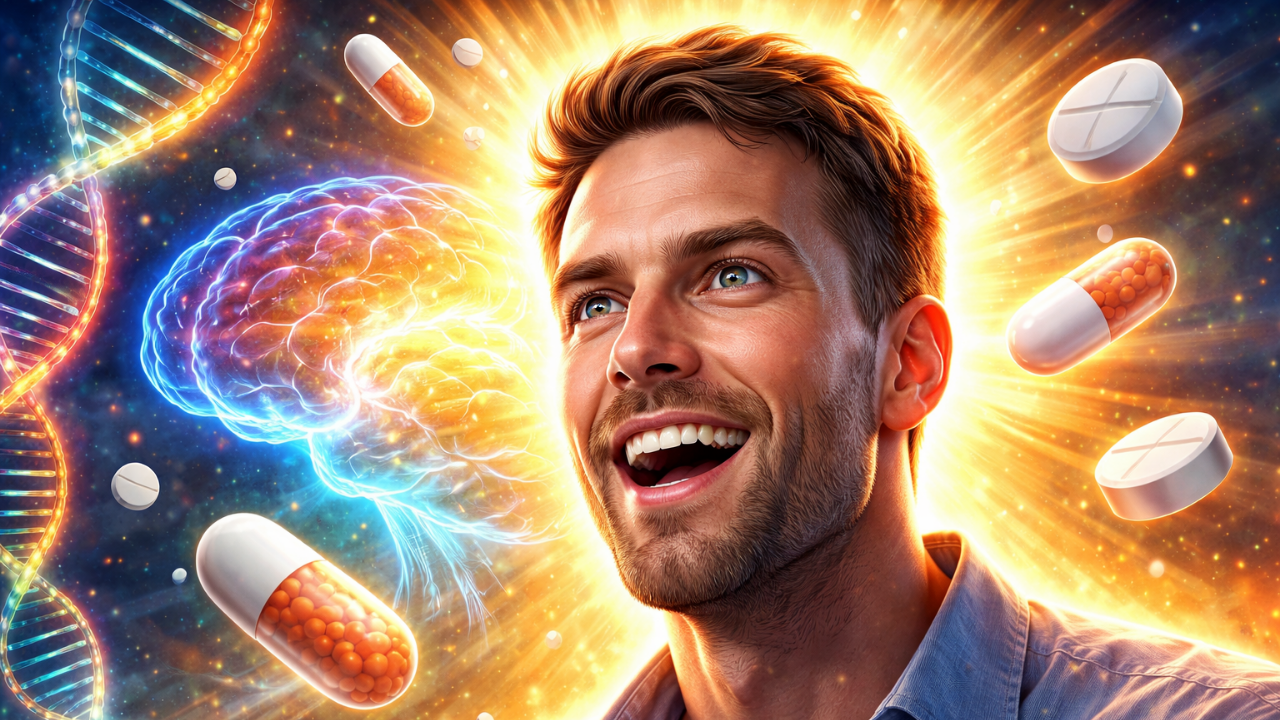
How genetics, metabolism, tolerance, and pain sensitivity create a “perfect storm” for rapid opioid dependence.
Some people take opioids and feel:
- 😴 sleepy
- 😐 neutral
- 🤢 uncomfortable
And then there are people who take the exact same substance… and feel something completely different:
- ⚡ energized
- 💎 confident
- 🔥 alive
For them, it’s not sedation.
It’s transformation.
It feels like stepping into a version of themselves that is more capable, more resilient, more focused, more alive.
And that difference?
That difference is everything.
Because opioid addiction is not random.
It is not evenly distributed.
It is not simply about exposure.
👉 It is often predictable—based on how your brain and body respond to the drug.
In this article, you’re going to learn the four most powerful predictors of opioid addiction risk—and why at least three of them are deeply rooted in your biology.
If you’ve ever wondered…
- “Why did this hit me so hard?”
- “Why did it work so well for me?”
- “Why couldn’t I just take it or leave it like others?”
…this may be one of the most important things you ever read.

Table of Contents
- 1
- 2 🧬 Addiction Through the Lens of Biology
- 3
- 4 ⚡ Predictor #1: Opioids Give You ENERGY (The Hypomania Effect)
- 5
- 6 ⏱️ Predictor #2: Opioids Wear Off Faster Than Normal (Fast Metabolism)
- 7
- 8 💪 Predictor #3: Naturally High Opioid Tolerance
- 9
- 10 🧠💔 Predictor #4: Chronic Pain, Stress, or Emotional Dysregulation
- 11
- 12 🌪️ The Perfect Storm: When Predictors Stack
- 13 🔁 Why These Predictors Accelerate Addiction
- 14
- 15 🧠 Reframing Addiction: Remove Shame, Add Precision
- 16
- 17 💡 Final Takeaway
🧬 Addiction Through the Lens of Biology
Most people are taught to think about addiction in terms of behavior:
- discipline
- choices
- environment
- exposure
And while those factors absolutely matter…
They don’t tell the full story.
Because two people can take the same opioid, at the same dose, in the same environment…
…and have completely different experiences.
Why?
👉 Biochemical individuality.
Each person has a unique:
- neurotransmitter baseline
- receptor sensitivity
- enzyme activity
- nervous system profile
- genetic expression
This means the effect of a drug is not universal.
It is personalized by your biology.
As Dr. Gabor Maté has said:
Addiction is not about the drug, but about the relationship between the person and the drug.
And that relationship is largely shaped by how your brain responds.
So instead of asking:
“Why couldn’t I control myself?”
A more useful question is:
“What did this substance do for me that made it so hard to let go?”
Let’s break that down.
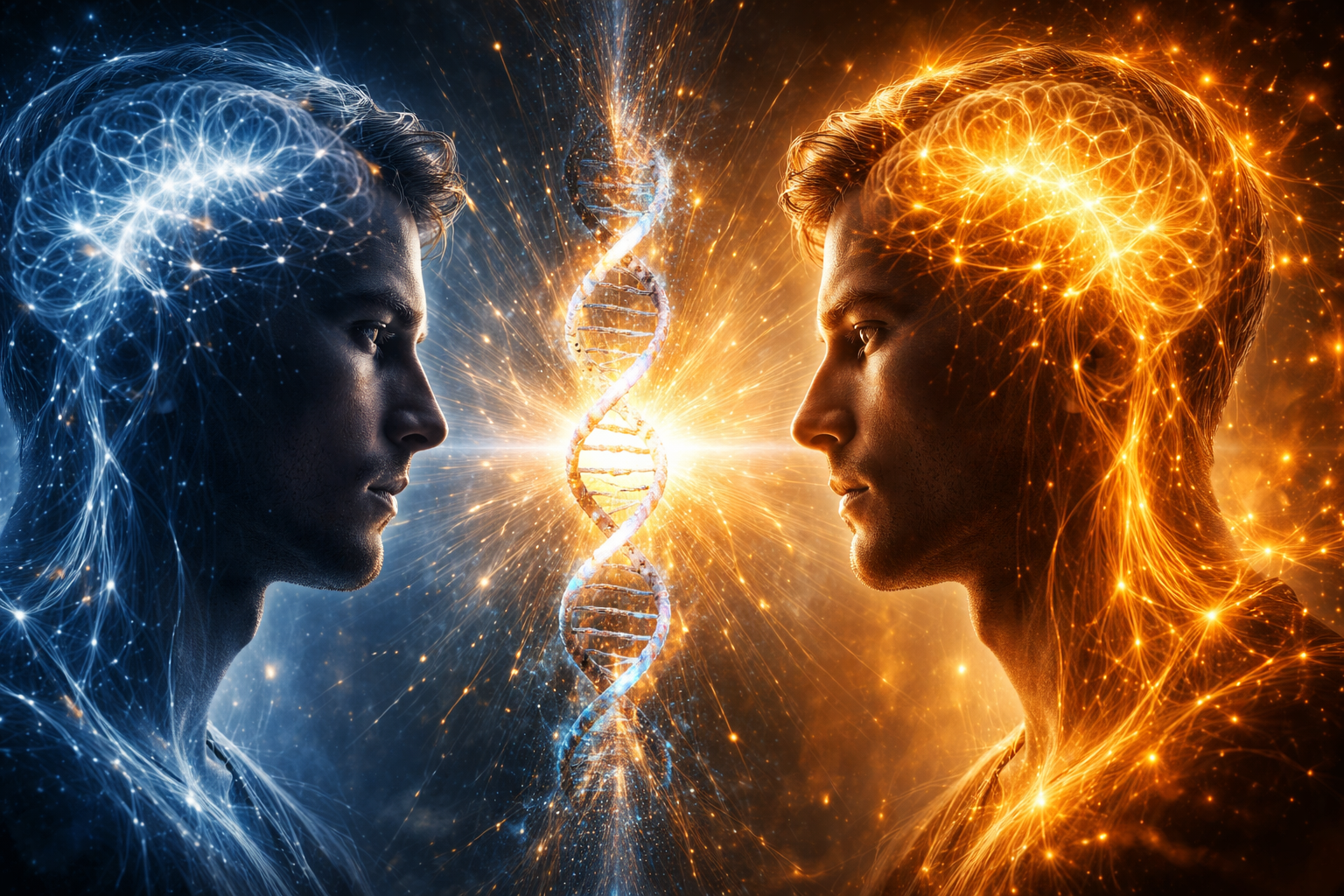
⚡ Predictor #1: Opioids Give You ENERGY (The Hypomania Effect)
This is the one most people miss.
Because opioids are classified as depressants.
They are supposed to make you:
- relaxed
- calm
- sleepy
But for a subset of people…
They do the exact opposite.
⚡ When Opioids Don’t Sedate—They Activate
For certain individuals, opioids produce a paradoxical effect:
- ⚡ increased energy
- 💎 elevated confidence
- 🧠 sharper thinking
- 🎯 improved motivation
- 😌 calm and drive at the same time
Instead of feeling slowed down…
They feel switched on.
🧠 What Is Hypomania?
Hypomania is a mild form of mania characterized by:
- elevated mood
- increased energy
- reduced need for sleep
- heightened confidence
- increased productivity
It’s not full-blown mania.
It’s more subtle.
But it can feel incredible.
Now here’s the key insight:
👉 Opioids can chemically induce a hypomanic-like state in certain individuals.
🔥 Why This Becomes So Addictive
Most addictions are framed as escape.
But this is different.
This is not about escaping life.
This is about enhancing it.
When opioids trigger this state, people often report:
- “I feel like myself… but better.”
- “Everything flows.”
- “I can finally handle my life.”
- “This is who I’m supposed to be.”
This is what I call:
The Hypomania Trap
Because the drug doesn’t just relieve pain…
It creates a version of you that feels:
- more capable
- more confident
- more alive
And that is incredibly reinforcing.
🧪 What’s Happening Biochemically
Several mechanisms contribute to this effect:
- Dopamine increase → motivation, reward, drive
- Endorphin activation → pain relief, euphoria
- Stress reduction → less cortisol, less anxiety
- Pain removal → energy previously used for coping is freed
👉 When pain (physical or emotional) is removed…
Energy becomes available.
And that energy can feel like stimulation.
👤 Who Is Most Prone to This?
This pattern often shows up in people who are:
- highly driven or high-functioning
- dealing with chronic stress or overwhelm
- emotionally sensitive (HSP/empath types)
- struggling with ADHD-like symptoms
- carrying heavy responsibility (parents, entrepreneurs, caregivers)
For these individuals, opioids don’t sedate.
They optimize.
💡 The Dangerous Truth
This isn’t sedation—it’s optimization.
And that’s what makes it dangerous.
Because when a drug feels like it makes your life better…
…it becomes very hard to let go.
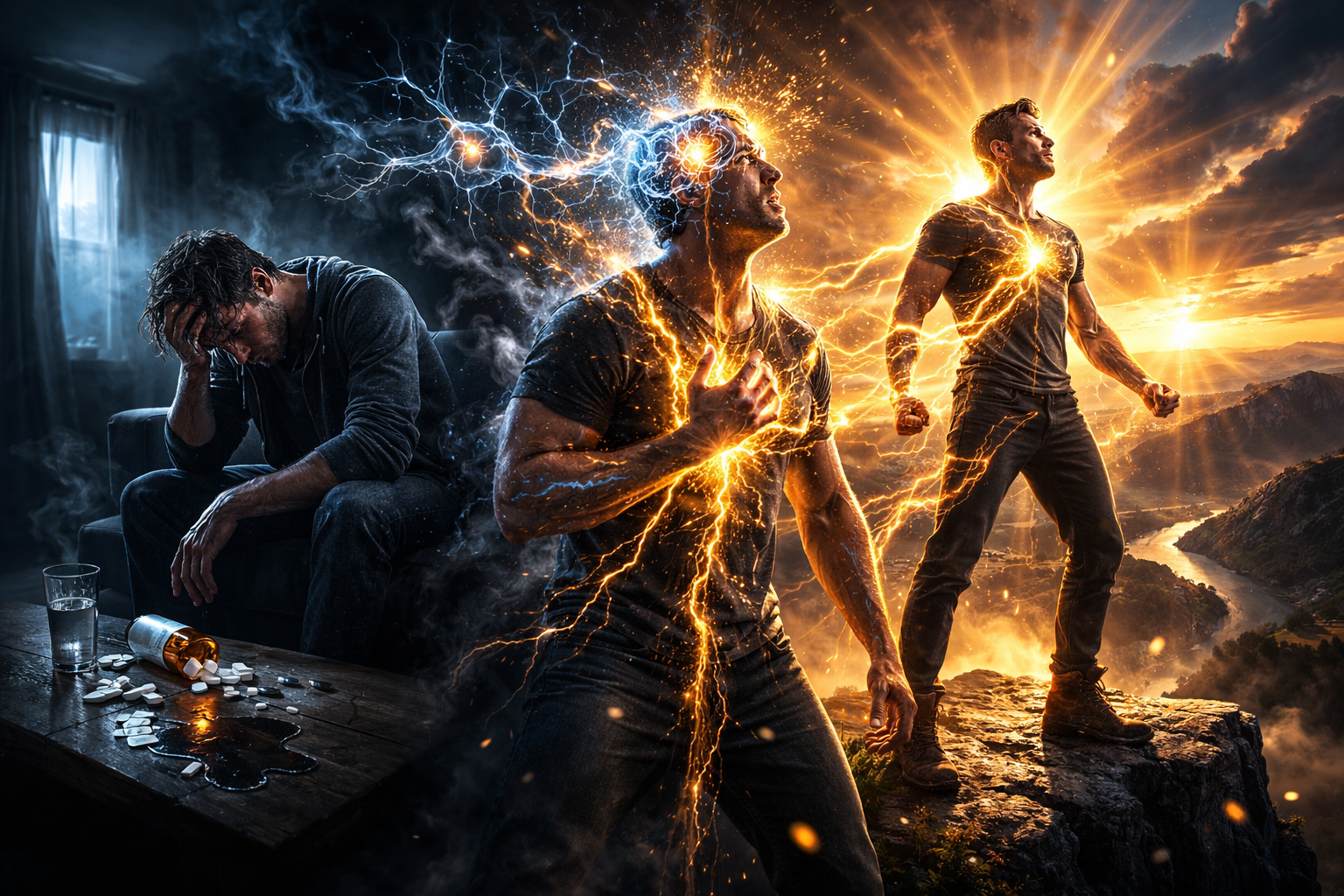
⏱️ Predictor #2: Opioids Wear Off Faster Than Normal (Fast Metabolism)
The second major predictor is less obvious—but just as powerful.
Some people metabolize opioids much faster than average.
⏳ What This Feels Like
- The effects don’t last long
- Pain returns quickly
- Relief fades sooner than expected
- Cravings come back faster
Instead of a long, steady effect…
You get a short burst followed by a drop.
🔁 Why This Increases Addiction Risk
If something works—but doesn’t last…
You naturally want to repeat it.
This creates:
- more frequent dosing
- tighter use cycles
- stronger reinforcement loops
🧪 What Causes This
This is often driven by:
- liver enzyme differences (CYP450 variations)
- faster drug clearance
- reduced duration of receptor binding
In simple terms:
👉 Your body processes the drug quickly—so the effect disappears quickly.
🧠 The Psychological Impact
This pattern creates a very specific internal dialogue:
- “It worked… but not long enough.”
- “I just need a little more.”
- “I need to take it again already?”
This leads to:
- urgency
- chasing behavior
- increased frequency
💡 Key Insight
The shorter the relief… the tighter the cycle. And tighter cycles create stronger addictions.

💪 Predictor #3: Naturally High Opioid Tolerance
The third predictor is something many people don’t even realize they have.
Some individuals have a naturally higher tolerance to opioids from day one.
⚖️ What This Looks Like
- First use feels “manageable” instead of overwhelming
- Less nausea, dizziness, or sedation
- Ability to take higher doses early
- No strong negative feedback
While others feel:
- sick
- disoriented
- overly sedated
You might feel:
- normal… or even enhanced
🚨 Why This Is Risky
Most people are protected by what we can call a “biological brake system”:
- unpleasant side effects
- sedation
- discomfort
These signals help limit use.
But if you don’t experience those…
👉 There’s nothing slowing you down.
🧪 Possible Mechanisms
- differences in mu-opioid receptor sensitivity
- endorphin system variations
- genetic differences in receptor density
💡 Key Line
For some people, the warning signs never show up. And without warning signs, escalation happens faster.

🧠💔 Predictor #4: Chronic Pain, Stress, or Emotional Dysregulation
This is one of the most powerful—and most common—predictors.
Because opioids don’t just relieve physical pain.
They relieve multiple types of pain at once.
🧩 The Triple Relief Effect
Opioids can simultaneously reduce:
- 💢 Physical pain
- 💔 Emotional pain
- 😰 Stress and anxiety
That’s not a single benefit.
That’s a multi-dimensional solution.
🔥 Why This Hooks People Fast
If a substance:
- reduces your pain
- calms your nervous system
- helps you function
- makes life feel manageable
…it doesn’t feel like a drug.
It feels like a solution.
👤 High-Risk Profiles
This predictor is especially strong in people with:
- trauma history
- chronic stress
- burnout
- anxiety disorders
- depression
- emotional sensitivity
- nervous system dysregulation
🧠 Strategic Recovery Framing
Opioids function as a:
multi-domain relief molecule.
They impact:
- biochemical systems
- emotional regulation
- nervous system state
💡 Key Insight
The more problems something solves, the harder it is to give up.
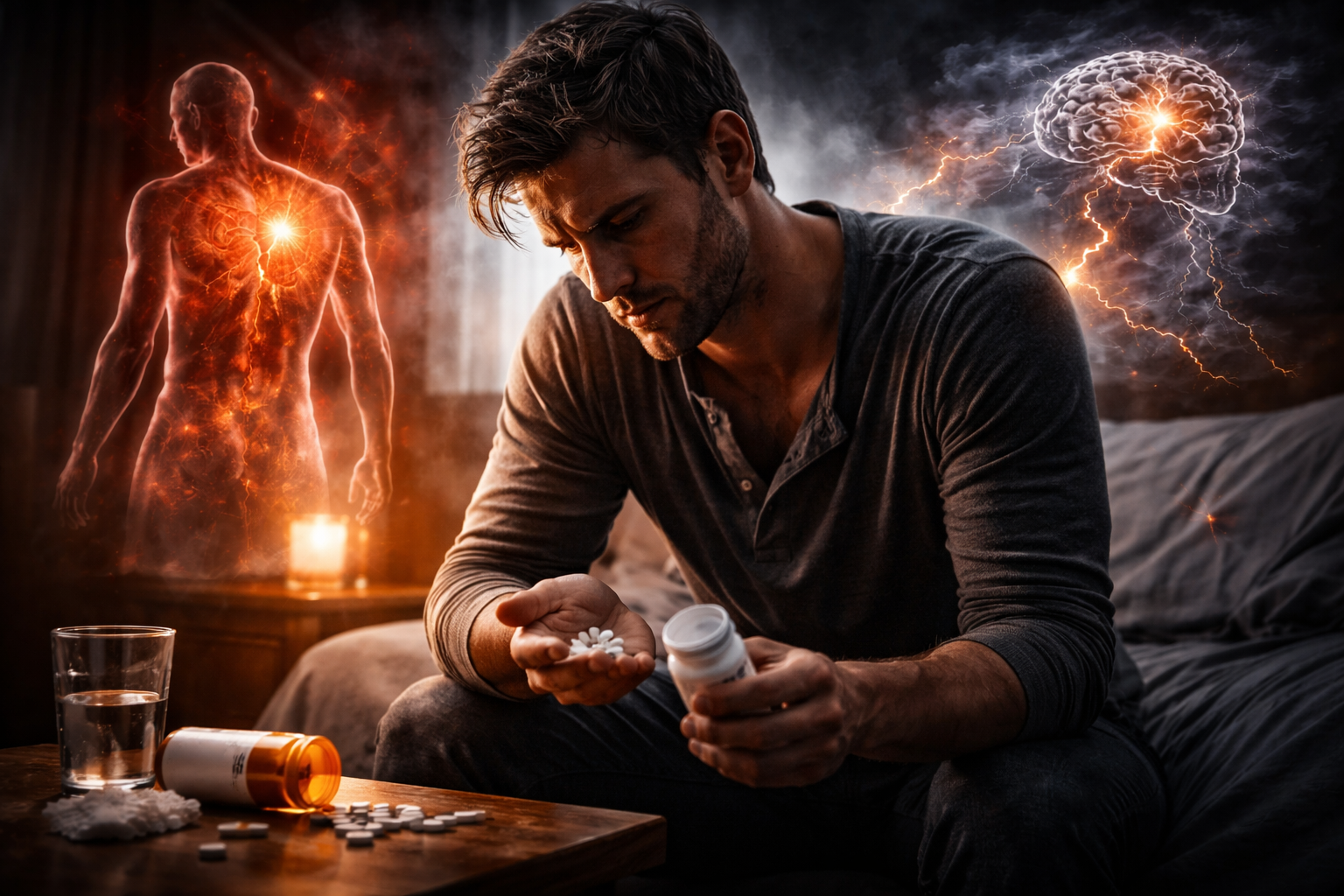
🌪️ The Perfect Storm: When Predictors Stack
Here’s where things become extremely powerful.
Most people don’t just have one of these predictors.
They have multiple.
⚡ Example Stack:
- Opioids give you energy
- They wear off quickly
- You have high tolerance
- You’re dealing with chronic stress or pain
🚀 What Happens Next
- Strong positive response
- Short duration
- Frequent use
- Rapid tolerance
- Increasing dependence
💡 Key Line
It’s not one factor… it’s the combination that creates the storm.
🔁 Why These Predictors Accelerate Addiction
Let’s simplify the cycle:
- Strong positive effect
- Effect fades quickly
- You repeat the behavior
- Tolerance increases
- The crash intensifies
- Cravings increase
- Repeat
🔥 The Core Principle
The better it works the faster it hooks you.
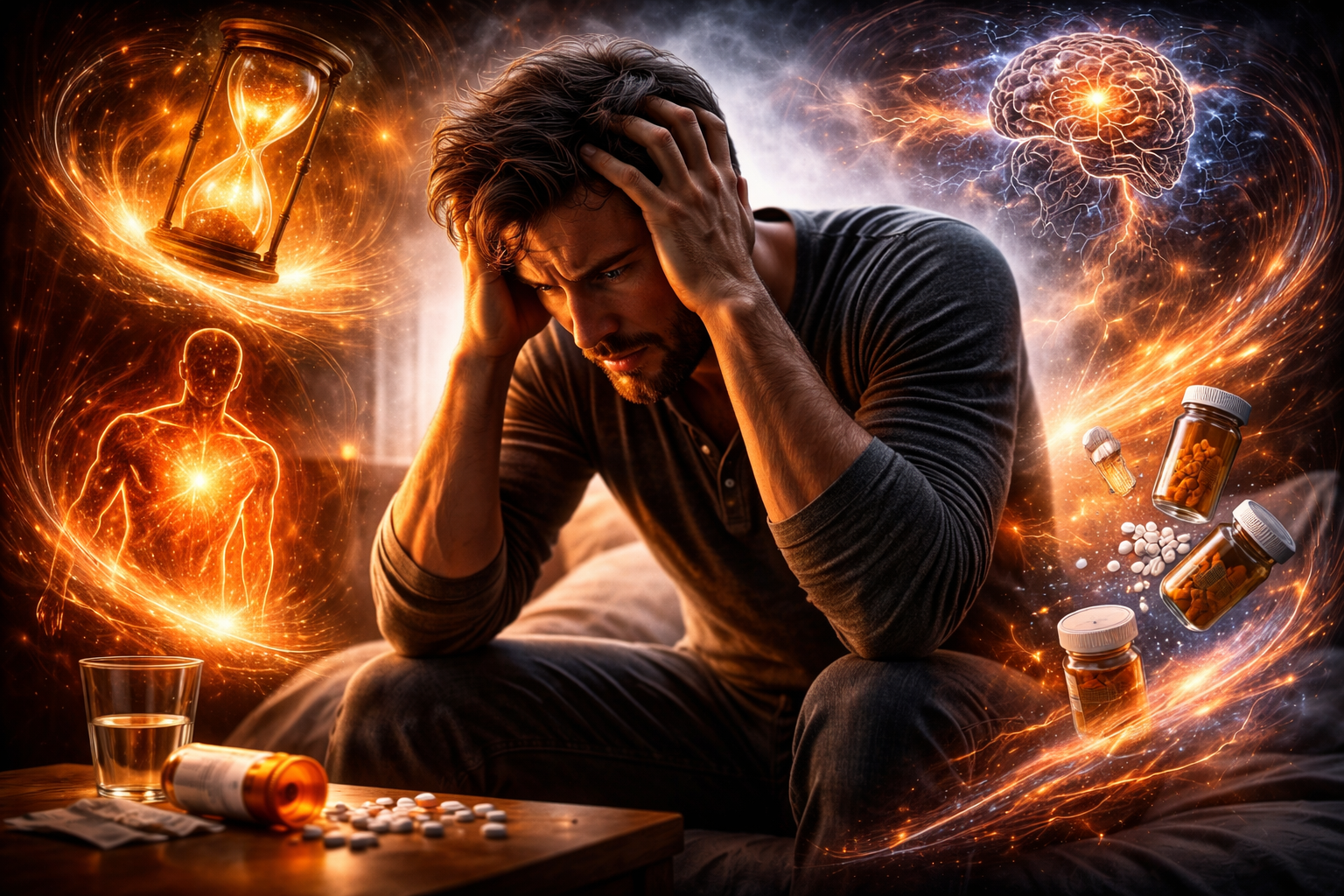
🧠 Reframing Addiction: Remove Shame, Add Precision
This is where everything shifts.
Because when you understand these predictors…
Addiction stops looking like:
- weakness
- failure
- lack of discipline
And starts looking like:
- biological sensitivity
- neurochemical reinforcement
- adaptive patterning
💡 Power Reframe
You didn’t choose your response.
But you can learn how to work with it.
🛠️ What This Means for Recovery
This isn’t just theory.
This has real, practical implications.
🔄 Shift the Strategy
From:
- “Just stop using”
To:
- “Understand what the drug was doing—and replace it”
🧠 Key Recovery Targets
- ⚡ Restore natural energy
- 🧠 Rebuild neurotransmitters
- 💔 Address emotional pain
- 🌊 Regulate the nervous system
- 🧩 Reduce overall stress load
🌱 Build Instead of Fight
The goal is not just to remove the substance.
It’s to:
👉 rebuild the system that needed it.
💡 Bridge Insight
The same biology that made you vulnerable…
can become your blueprint for recovery.

💡 Final Takeaway
If opioids:
- energized you
- worked incredibly well
- wore off too fast
- felt like the solution to multiple problems
👉 That wasn’t random.
👉 That was your biology interacting with a powerful substance.
🧠 Closing Line
The goal isn’t to fight your wiring.
The goal is to understand it—
and build a life that works with it, not against it.

Leave a Reply